Clan Cian Crest
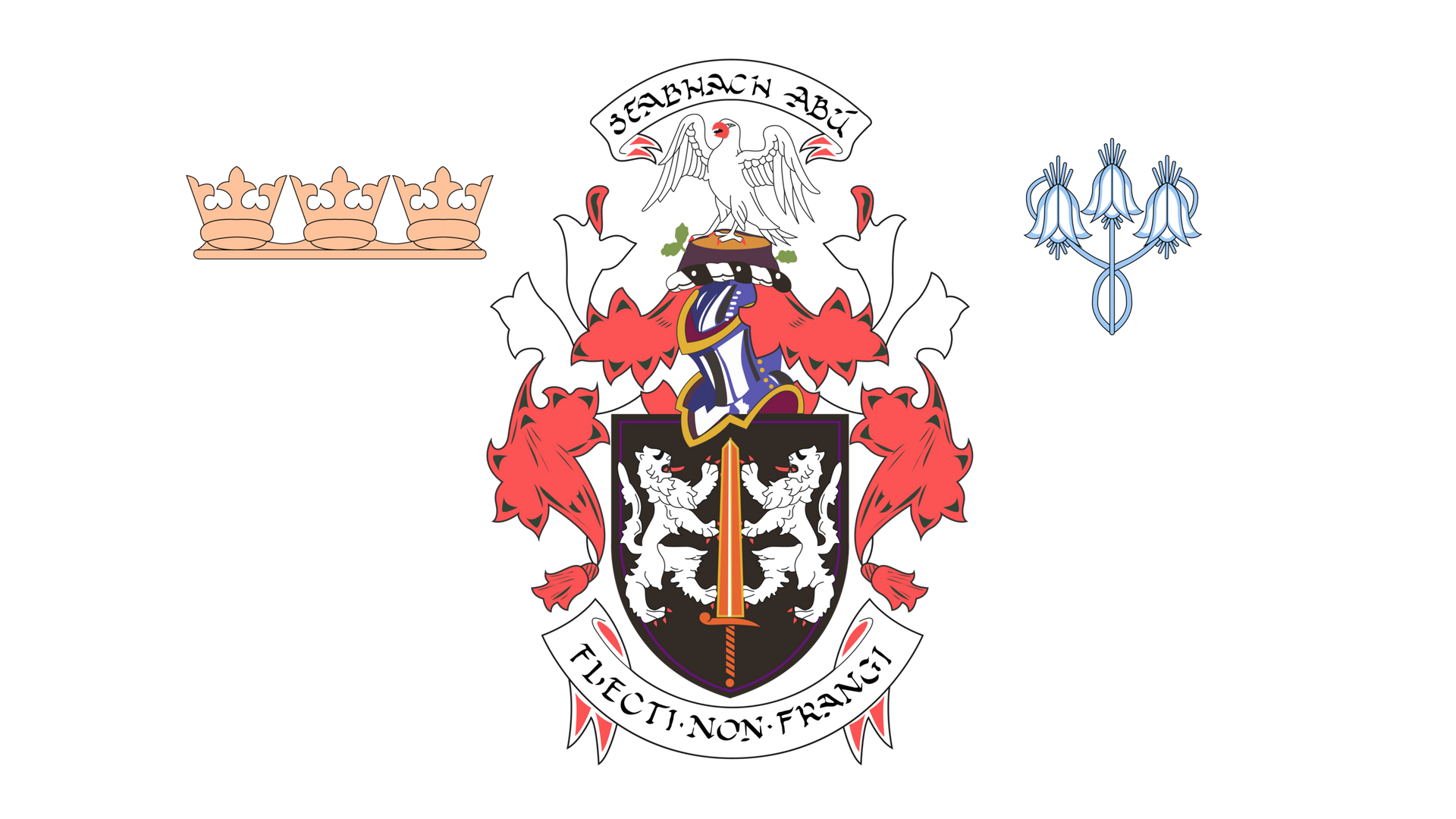
Clan Cian Motto
Flecti Non Frangi Latin: To be bent not broken.
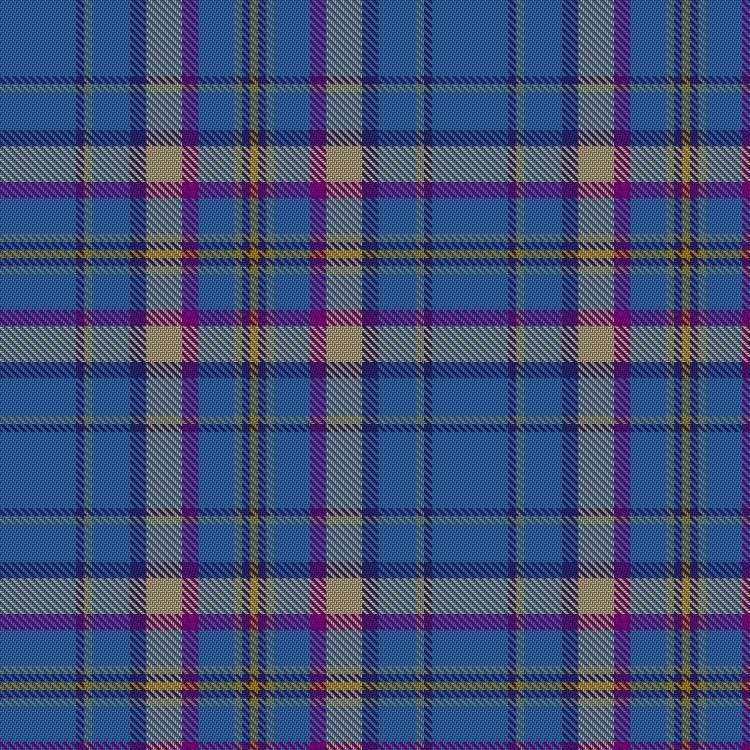
Clan Cian Tartan
The Clan
Clan Cian was also known as the Cianachta, the Race of Cian, who was the youngest son, of Olioll Ollum King of Munster, and Grandson, of King Eoghan Mor the 1st (known as) Mogh Nuadath of Leith Mogha (Mogha’s Half) of southern Ireland of the Milesian race of Heber, who contested for supremacy of all Ireland in the second century of the Christian Era.
The Cianachta were led well over 1500 years by a recognized King, Prince, High Chief, or Ruling Lord chosen from members of the O’Carroll-Carroll and rival Houses of the noble Septs of Éile
In the fifth century the Cianacht Chief, Éile Righ Derg (Eile, the Red King) ruled the territory that came to be known as Éile O’Carroll to distinguish the area from other O’Carroll kingdoms and lands.The Kingdom of Éile (Ely) was located anciently in Ormond in the Counties Tipperary, Waterford and extending into Offaly, Leix, Kilkenny.
Cearbhaill (Carroll) Son, of Aeodh, and Chief of the Cianachta was King of Éile at the turn of the first millenium. This Cearbhaill, the King of Éile, led the Elyans at the Battle of Clontarf in 1014 with the High King of Ireland, Brian Boru. F.J. “Eile” O’Carroll, the late O’Carroll of Éile O’Carroll created Clan Cian through the Charter of Re-Formation in 1982-1983 as his personal clan for all Cianachta whose families originally lived within the regions ruled by The O’Carroll of Éile O’Carroll in Ireland as well as to all people who wish to honor their background and the ideals that Clan Cian promotes – Irish culture in all its manifestations and the exploration of expatriate Irish’s roots back to Ireland.
As there are many different families belonging to the Clan Cian, the menu selection entitled “Your Surname Connection” will tell you if you are a member and how you are related.
Clan Names
A few of the major families related by blood to the O'Carrolls, which lived within the Kingdom of Éile O'Carroll were the O'Meaghers, O'Caseys, O'Haras, and O'Garas. All of these family surnames, and other related septs, are members of the Clan of Cian - the Cianachta.